
Some student organizations encounter the same problem: people join, but nothing actually happens. Recruitment season is lively, group chats are active, but by the end of the semester, almost no real projects have been carried out.
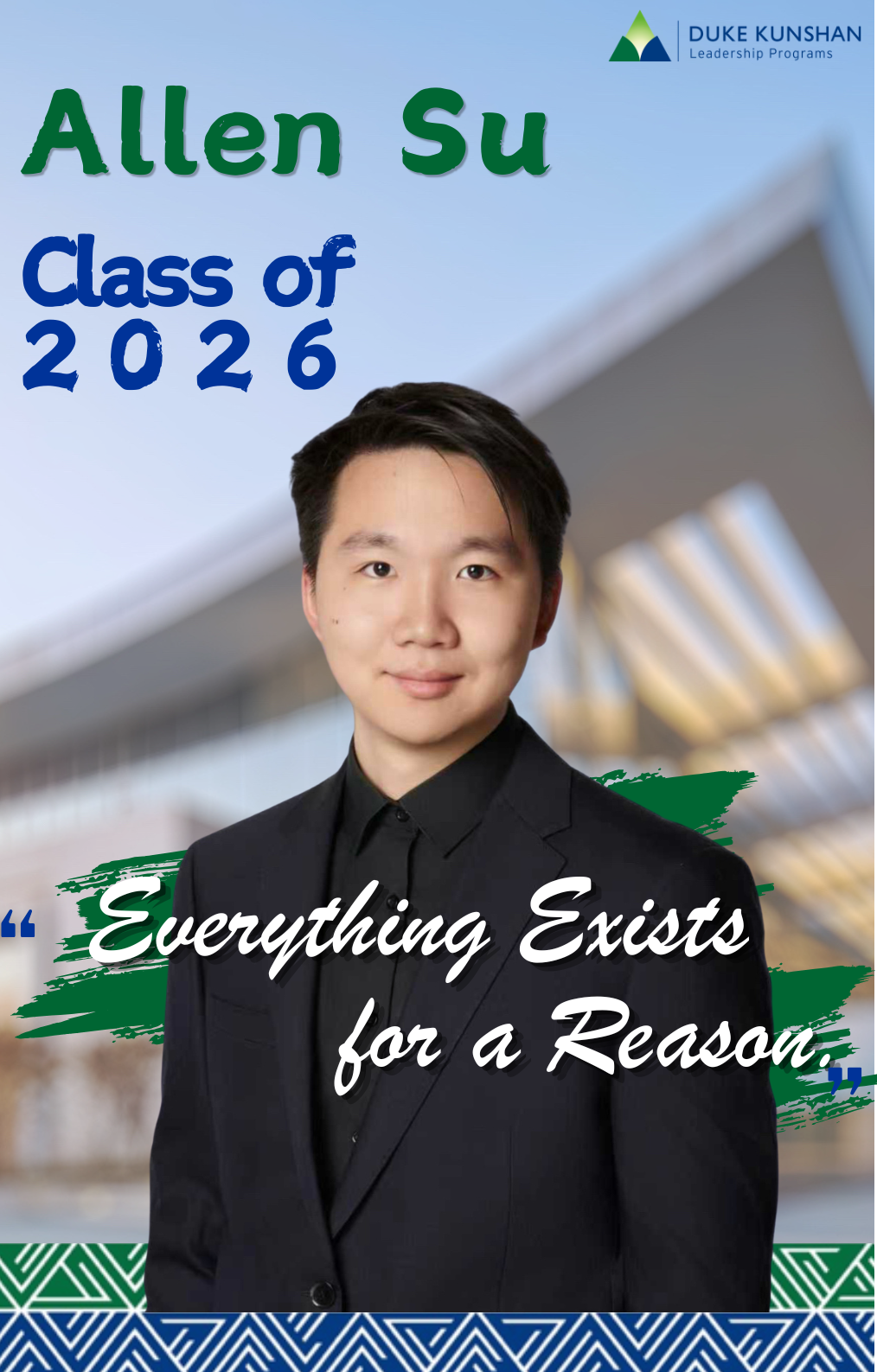
At DKU, Guangzhi Su (Allen) went through the exact same stage. He is a Class of 2026 student majoring in Applied Mathematics and Computational Science. During his sophomore year, he founded both the DKU Computer Science Club and the Finance Club, and later joined the Student Leaders Board (SLB) Student Advocacy Committee (SA).
Today, through his real journey from being a “one-man team” to leading an operating organization, he breaks down this problem.
It Started Simply: He Just Saw an Empty Space
Allen’s motivation for founding two clubs was actually very simple.

During his sophomore year, he realized that DKU surprisingly had neither a CS club nor a finance club. To him, that made no sense: “These are such important fields — why don’t they exist?” Before that, he had become interested in fintech and wanted to learn more about it. At the same time, he also thought: resumes need experience, and he personally enjoys challenging new things. Put together, he did not spend too much time planning. He simply felt that “these clubs should exist.”
He cannot even clearly remember which motivation mattered most. “It was definitely a combination of factors. I won’t deny that I wanted to build my resume, but I also genuinely thought it was interesting. Nobody had done it before, and I wanted to challenge myself.”
The most dramatic part was the creation of the Finance Club. At the time, he simply sent an email to the school’s student organization office and submitted the constitution. The response he received was: coincidentally, another group was also applying to establish the exact same finance club. If he had hesitated for just a few more days, he would not have become the founder — he would only have been able to join as a member.
“Many times, you don’t start because you’re fully prepared. You just start first. Sometimes you don’t even have time to overthink it.”
The First Reality: People Joined, but Nothing Happened
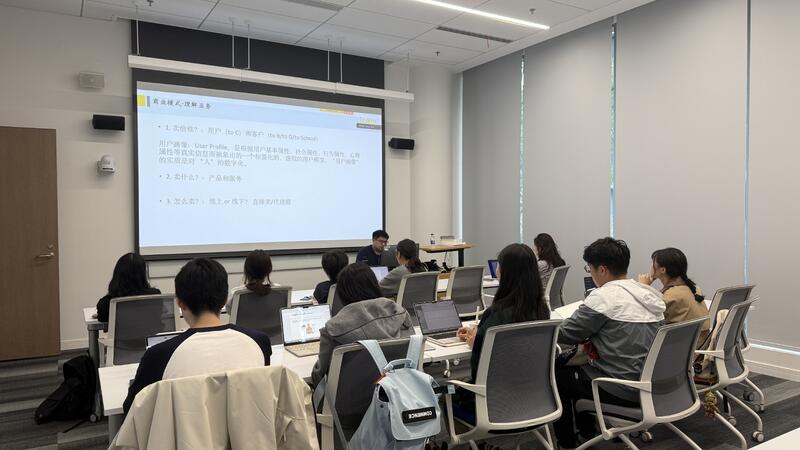
After the clubs were established, recruitment went very smoothly. Filled with enthusiasm, Allen built a complete leadership structure. He created positions such as president, vice president, treasurer, and secretary. He also established an event coordination team responsible for organizing workshops, panels, and company visits, as well as a marketing and design team responsible for posters and publicity. On the surface, everything looked highly organized.
But problems quickly emerged.
One semester later, Allen looked back and realized that there had been almost no real output. Members had joined, messages occasionally appeared in the group chat, but actual projects, activities, and results were nearly nonexistent. Originally, he had naturally assumed: “People join clubs because they want experience, so they should participate proactively.” But reality was completely different. Allen recalled during the interview: “Actually, that’s not how it works. A lot of students join clubs, but they don’t know what to do. Then by the end of the semester, they’ve basically done nothing.”
He repeated this point twice because it was the biggest challenge he encountered, and also the problem he believes countless student organizations are facing. He tried all kinds of methods. At first, he made everyone a “core member,” hoping that titles and responsibility would motivate action. He organized leadership teams, divided departments, and assigned tasks. But the result remained the same: members accepted tasks, then either delayed them, handled them carelessly, or simply never responded.
“It’s very easy to assume that students join clubs because they want experience, so they’ll naturally take initiative. But that’s simply not true.”
Allen eventually realized that the root problem was not the management structure itself, but a much deeper assumption that was wrong — he assumed that “joining” meant “wanting to actively do things.” In reality, most people had simply “joined.” They entered the group chat, filled out the sign-up form, and then stopped there. Nobody had explained why they should do something or what benefit it would bring them personally. Task delegation became a one-way command system: “I have a task and need you to do it; I have another task and need you to do that.”
The Turning Point: He Started Asking a More Fundamental Question
Later, Allen attended a talk where one sentence completely changed the way he viewed leadership. The sentence was:
“Instead of thinking you deserve to do something, you should think about why people will do this. Everyone is making their own decision, the most beneficial to themselves.”
That sentence became a key turning point. Allen started reflecting on his previous approach — he had always played the role of a “task distributor,” believing that once people joined a club, they should automatically contribute. But reality clearly did not work that way. He began asking himself from a different perspective: what exactly do members want to gain from joining a club?
Gradually, he identified several different motivations. Some students join simply to add an experience to their resume — “I joined a DKU club” itself becomes a line on a CV. Some genuinely want to learn skills, such as organizing events or leading teams. Others join to meet more people, expand their social circles, and build connections.
“So the real question is not ‘What tasks do I need to assign?’ but rather ‘What does each person actually want from this club?’”
This shift in thinking became the single most important step in Allen’s leadership growth. He realized that a leader should not merely be a task allocator, but rather a “designer of motivation.” If you do not understand what people truly want, you cannot make them genuinely invested. If you only focus on what you personally want to accomplish, while ignoring why others would want to help you, the team will eventually become stuck.
Allen admitted that this transformation was extremely difficult. His original words were:
“This was the biggest mindset shift. Then I slowly started changing little by little, but it was very difficult. Thinking about what other people truly want is very difficult.”
But regardless, he found a new direction.
The Real Method: Not Management, but Making Things Happen
Once he found the direction, what did he actually do? During the interview, Allen shared a very concrete answer, centered around one word: communication.
He said:
“I firmly believe communication is the key to solving many problems.”
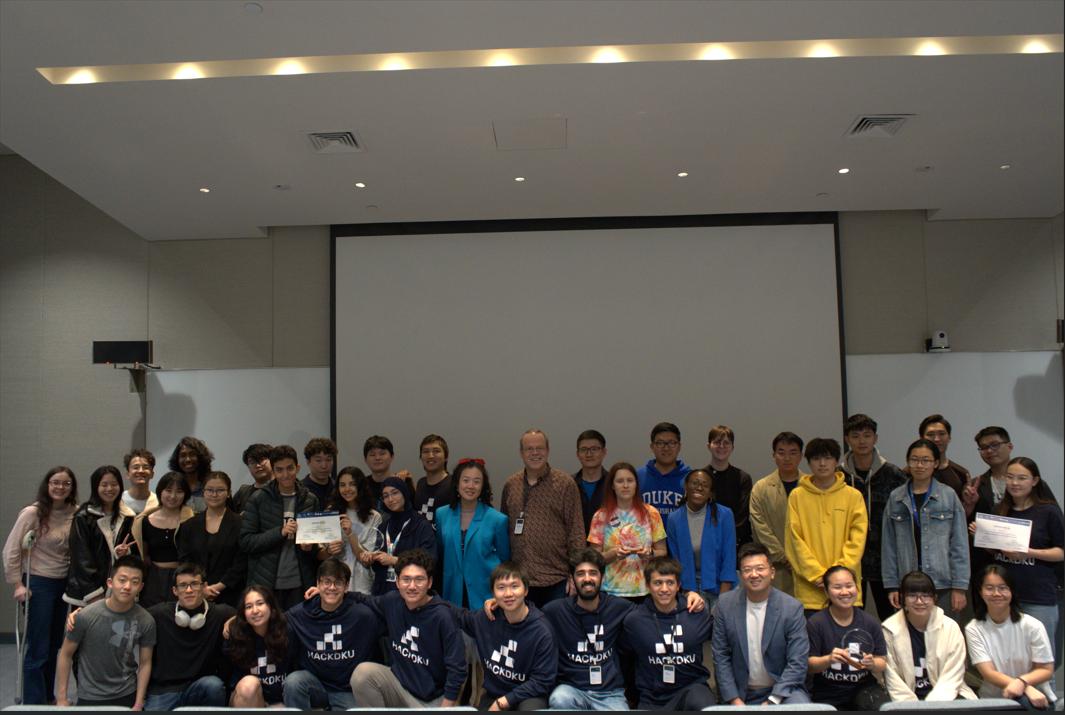
But communication is not as simple as saying “everyone should communicate more.” Allen learned many practical techniques from his experience in the Student Leaders Board. He mentioned that SLB had a total of 22 students, and at the beginning, nobody really knew one another. The very first thing they did was not assigning tasks, but organizing icebreaker activities.
What did these activities include? First, personality assessments. Allen said: “It doesn’t have to be MBTI specifically — it could be other personality tests too. The goal is to understand people’s working styles. Some people prefer completing tasks immediately, while others prefer planning the overall framework first.” Once these differences are understood, future collaboration becomes much smoother.
Second, they organized interesting self-introductions so everyone could remember who each person was and what they did. These activities may seem simple, but the purpose was very clear: to make people more than just “coworkers,” but actual human beings who know each other.
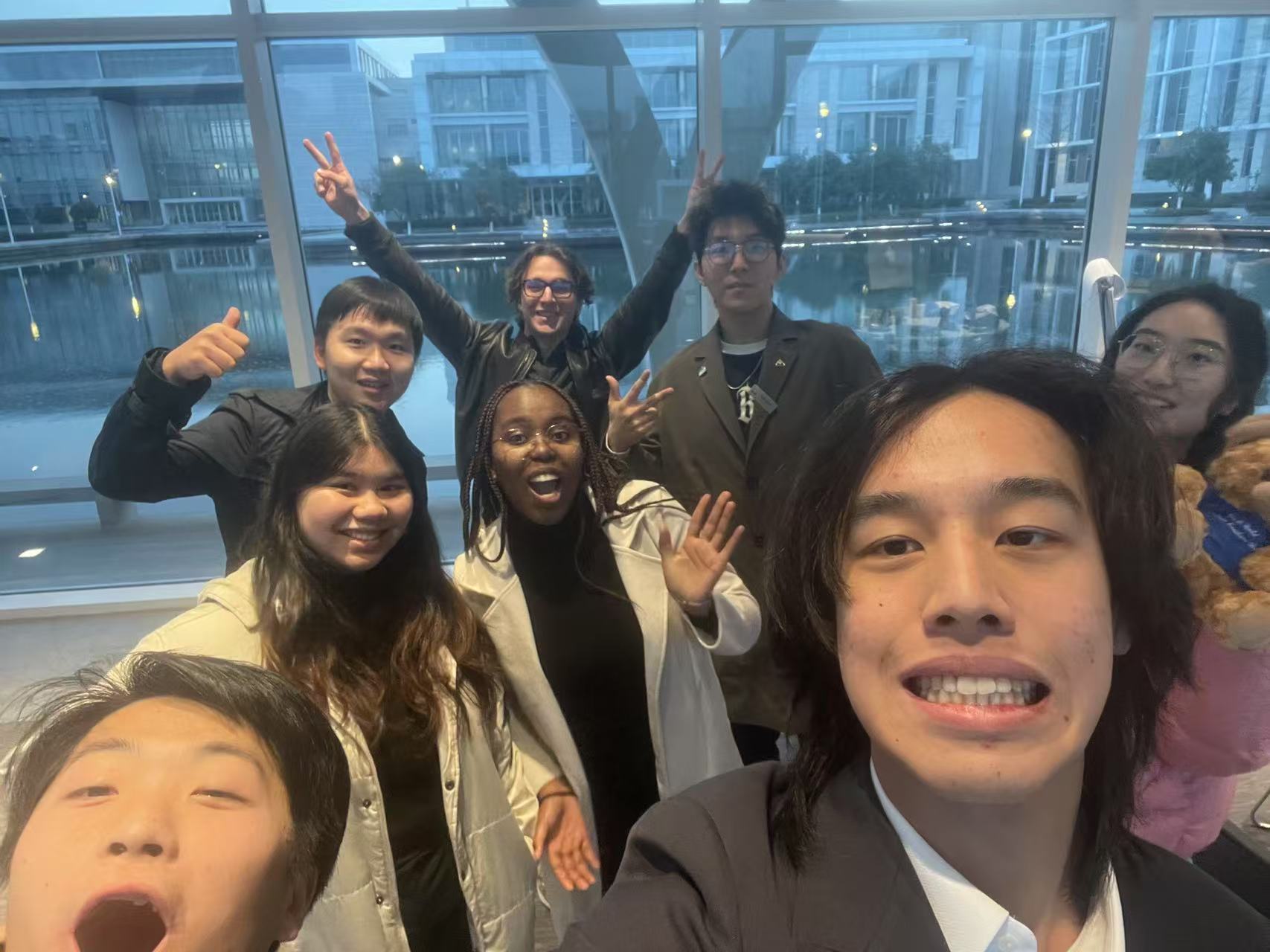
Allen summarized this idea in one sentence: “Work is not just work. You are not just colleagues. You can become genuine friends in real life.”
But he immediately added that this creates another issue: where should the boundary between work and life be? He shared a personal example. “I went out for meals with some work partners. At first, it was just relaxed conversation — catching up and talking about life. But gradually, the conversation unconsciously turned into: ‘Did you finish that task?’ or ‘Is that project done yet?’”
He believes this is unhealthy. Work and personal life should have clear boundaries. Eating together should simply be eating together. Casual conversations should stay casual. Work tasks should not constantly invade private social situations. This protects personal time and also keeps work communication efficient — during work time and work settings, people discuss tasks seriously; outside of work, people should stop chasing task updates.
Even more difficult than boundaries, however, was learning how to express opinions directly. Allen spent a long time adjusting this part of himself.
“I used to be a very easygoing person,” he said. “I was extremely afraid of challenging others or pointing out problems. I never dared to say, ‘You didn’t do this well, and you need to improve it,’ because I was afraid of hurting people’s feelings.”
But later, he realized that this mindset was actually wrong. Especially in work environments, clear and direct communication is a responsibility to the team. Allen said: “You need to say it. During work time, you need to say what wasn’t done well and how it can be improved based on the current situation. This is a very important lesson.”
He described a healthy communication pattern: one person can say, “I don’t think this is right,” while the other person can respond, “I don’t think there’s a problem.” Both sides challenge each other, present their perspectives, and eventually arrive at a conclusion both can accept. This process is not fighting — it is a necessary exchange of viewpoints. Allen emphasized: “The key is that you have to speak up.”
He even used romantic relationships as an analogy. He said: “There’s an old saying that if a couple never argues, they probably aren’t a healthy couple. There’s some truth to that, because everyone is different. We all have different personalities and perspectives. Many times, people choose ‘I’ll step back, you’re always right,’ or ‘You step back, I’m always right.’ But if you think carefully about it, that pattern is actually toxic.”
So what is the correct approach? Allen explained: “You need to express your needs, and I need to express mine. Then we ask whether we can find a middle ground both sides agree on. That’s the key principle behind any long-lasting relationship — whether friendship, romance, or work.”
Back in the context of student organizations, this means: as a leader, you must be willing to directly point out when members are underperforming; as a member, you should also feel free to challenge and discuss ideas. Conflict is not the end of relationships — it is a normal part of healthy relationships. Many problems remain unsolved not because they are complicated, but because nobody is willing to communicate clearly.
This became Allen’s real operational method for running organizations: building foundational understanding through icebreakers, intentionally separating work-life boundaries, and communicating honestly and directly during work. Not stricter management, but more effective communication.
Q&A: Four Pieces of Advice Allen Gave to DKU Students
In the second half of the interview, Allen shared several pieces of advice for younger DKU students.
Q1: You used to be someone who struggled to reject people or point out problems. How did you change?
Allen admitted that he used to be extremely easygoing and afraid of conflict. “I was especially afraid of challenging people or pointing out their mistakes. I never dared to say, ‘You didn’t do this well, and you need to improve,’ because I was afraid of hurting their feelings.”
But later, he realized this mindset was wrong. In work environments, clear communication is a responsibility to the team. He learned that conflict is not the end of a relationship — it is a normal part of healthy relationships. If you never speak up, problems only accumulate, and the eventual damage becomes even greater.
His transformation was from “not daring to speak” to “actively speaking,” but the goal was not blame. Instead, it was about honestly expressing his needs and observations while also giving the other person space to disagree and discuss. “You express your needs, I express mine, and then we see whether we can find a middle ground both sides agree on.”
He emphasized that this is not just a leadership skill, but a core principle behind any long-term relationship — friendship, romance, or work.
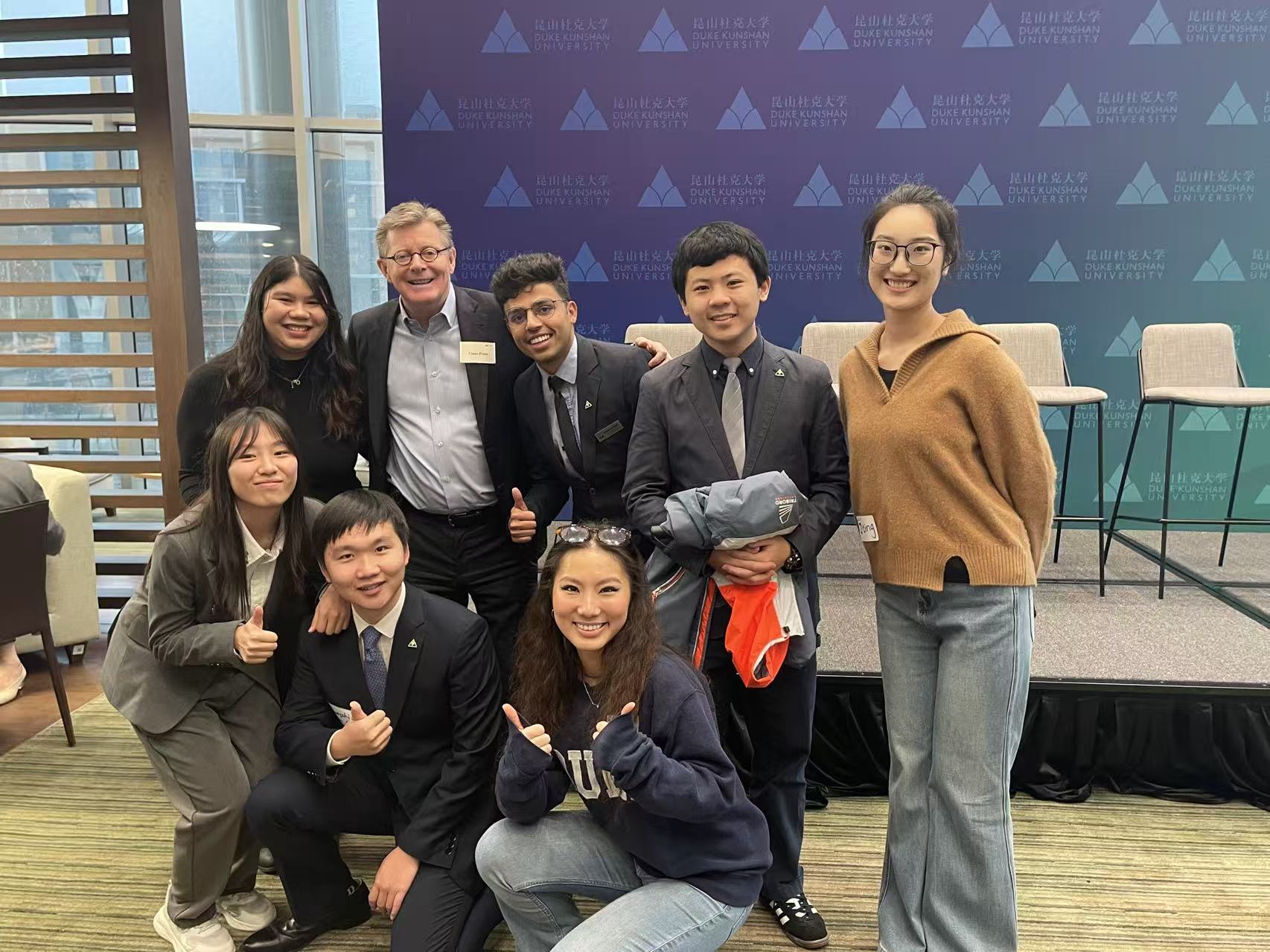
Q2: Nowadays everyone focuses heavily on GPA and resumes. Why do you repeatedly emphasize soft skills?
Allen observed that, especially among Chinese students at DKU, more and more energy is being concentrated on academics. GPA, research, internships, GRE, TOEFL — these hard metrics almost dominate everything. He does not deny their importance: “If you want to apply for top graduate programs, you absolutely need a strong GPA.”
But at the same time, he believes many people therefore overlook soft skills. In his opinion, soft skills are precisely the thing that should not be ignored in today’s era.
He said: “Everyone is talking about AI trends now. I study computer science and work with AI, so I understand very clearly what AI can do. There are now agent tools like Open Claw that can solve many problems and replace many jobs. Everyone is asking: what cannot be replaced? Which jobs can AI not replace?”
His answer: soft skills.
“It’s not about how well you code or how high your GPA is. It’s about how you interact with people, how you communicate, and how you use these tools. Those are the things AI cannot replace.”
He used himself as an example. Founding two clubs, organizing activities, and leading teams not only helped with his graduate school applications, but fundamentally changed the way he thinks. That kind of transformation will stay with him for life.
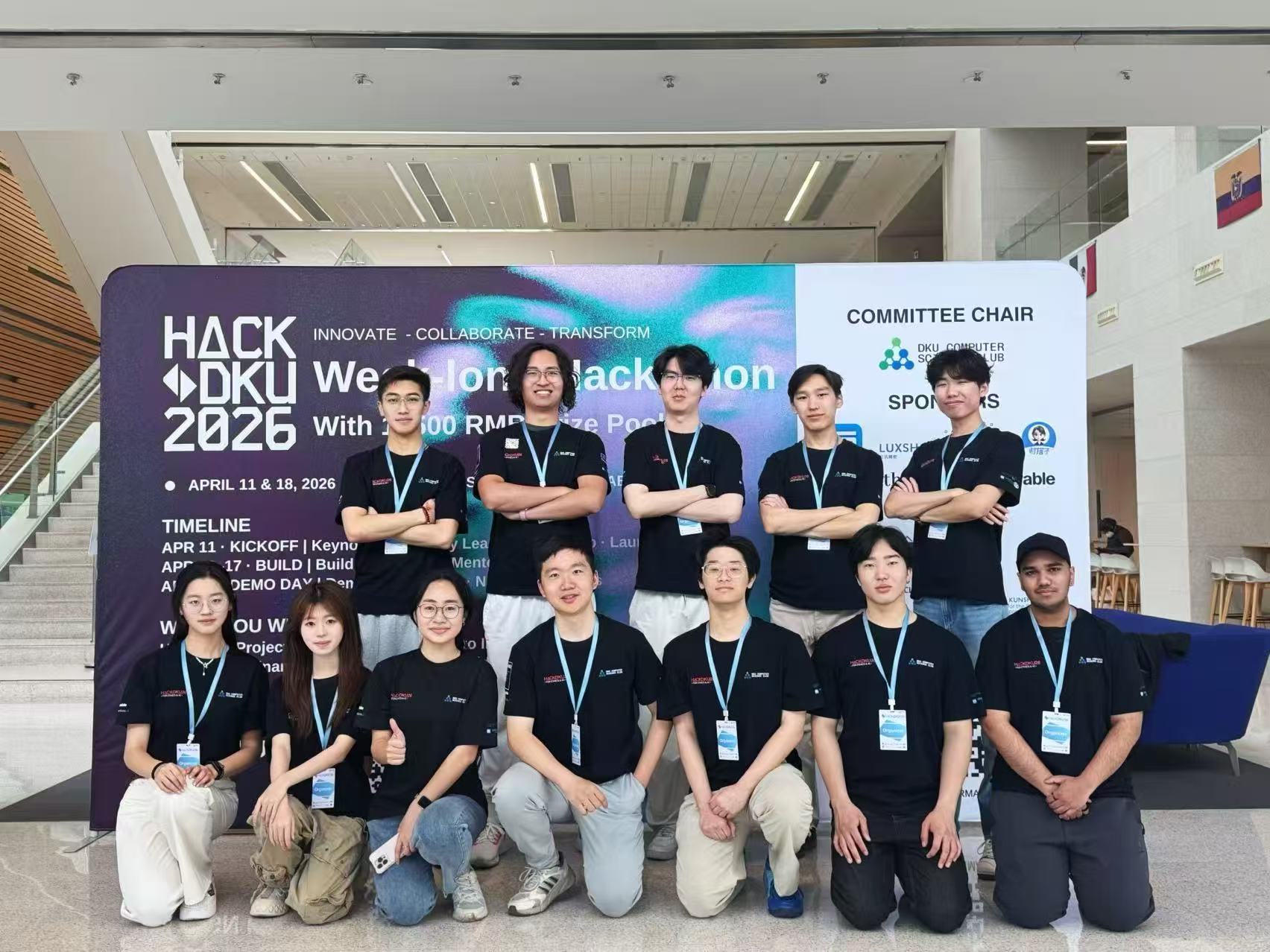
Q3: So what would you recommend younger students do? Should they join clubs first?
Allen’s answer was very direct: yes. Especially for freshmen and sophomores, student organizations are one of the best ways to develop leadership skills.
His original words were: “If you are a freshman or sophomore, the best path is student organizations. Join a club, or create one yourself. I think founding clubs is harder now than before, but you can still join an organization first and gradually grow into leadership.”
He also observed a trend that worries him: “At DKU, I feel the atmosphere has changed. Some students now think clubs are a waste of time or don’t value them enough. I don’t think that’s a good trend.”
Based on his personal experience, younger students should start early and use student organizations to develop communication, collaboration, and leadership skills. These are not skills learned from textbooks — they are developed gradually through real teamwork.
When students reach junior and senior year, Allen recommends exploring larger platforms.
After becoming an upperclassman himself, he joined the Student Leaders Board (SLB) and served as chair of the Student Advocacy Committee. He believes SLB is an excellent program because it allows students to move from “leading one club” to “participating in the entire student leadership ecosystem.” Your perspective, communication level, and the complexity of problems you solve all rise significantly.
“When you become an upperclassman, there are other things you can explore. For example, Student Leaders Board is a really great program. There are also many other opportunities at DKU. But the key is to start early. The earlier you start, the earlier your way of thinking begins to change.”
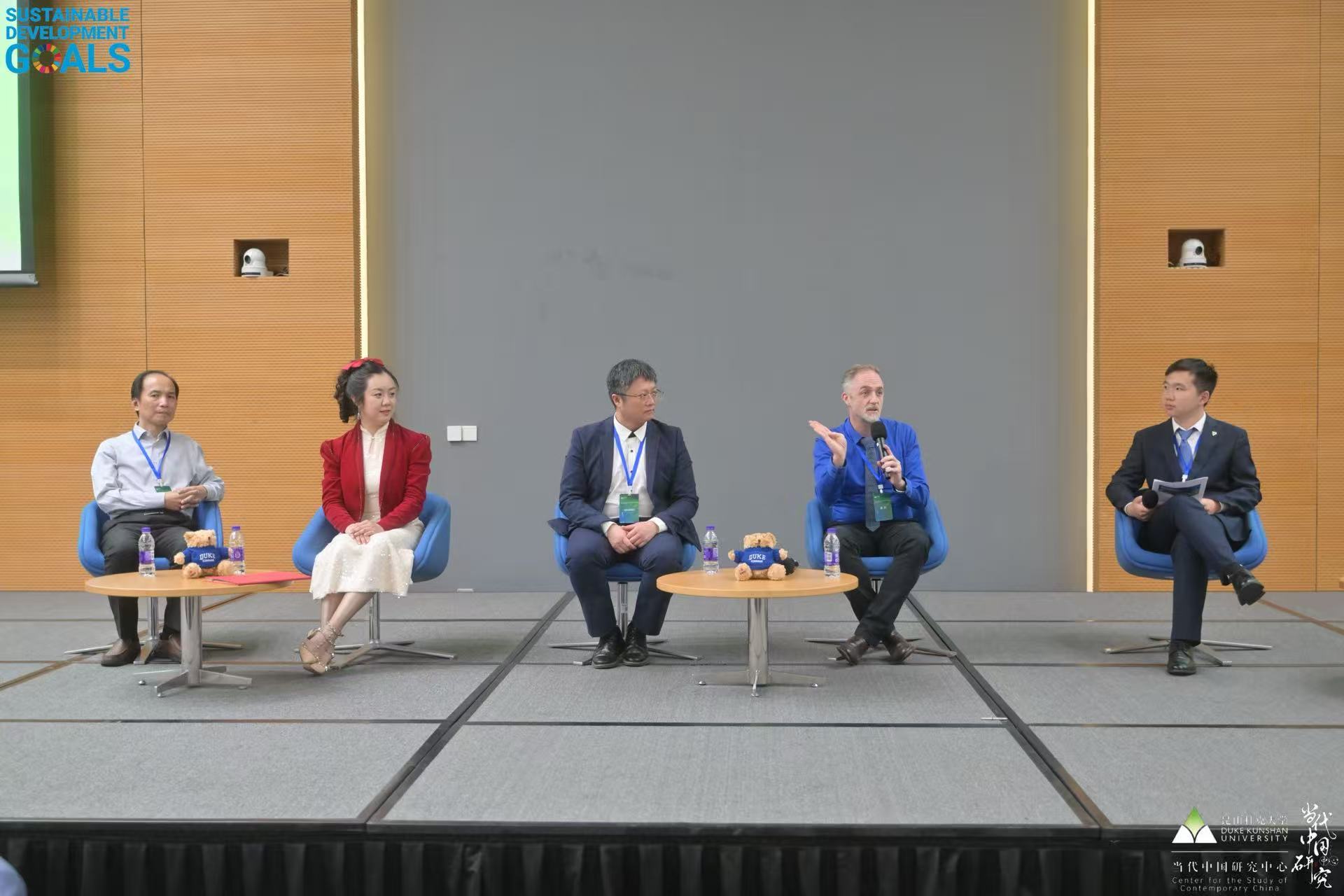
Q4: What about research? Many freshmen want to join labs immediately. What advice would you give?
Allen’s answer was straightforward: he does not recommend it.
He explained: “Many freshmen come to me asking, ‘I want to do research — what should I do?’ I tell them they can contact professors and send emails asking to join labs. But I don’t recommend doing research during freshman year.”
The reason is simple: if you have not even completed foundational courses yet, you simply do not know enough. What meaningful work can you actually contribute? “Even if you join a lab, there’s not much you can really do. Of course, some disciplines are different — for example, biology may require hands-on laboratory work, which could make sense. But for most fields, you first need strong fundamentals.”
His advice is that sophomore summer, junior year, and senior year are the real periods suited for research. Build your foundation first, then pursue deeper research. Instead of rushing into labs immediately after entering university and ending up doing extremely basic work with little value while putting yourself under unnecessary pressure.
The same logic applies elsewhere: do not try to seize every opportunity simultaneously. Courses, research, clubs, internships, GRE, TOEFL, social life, entertainment… you cannot excel at everything at once. Learning how to prioritize — understanding what should be done at each stage — is more important than blindly working harder.
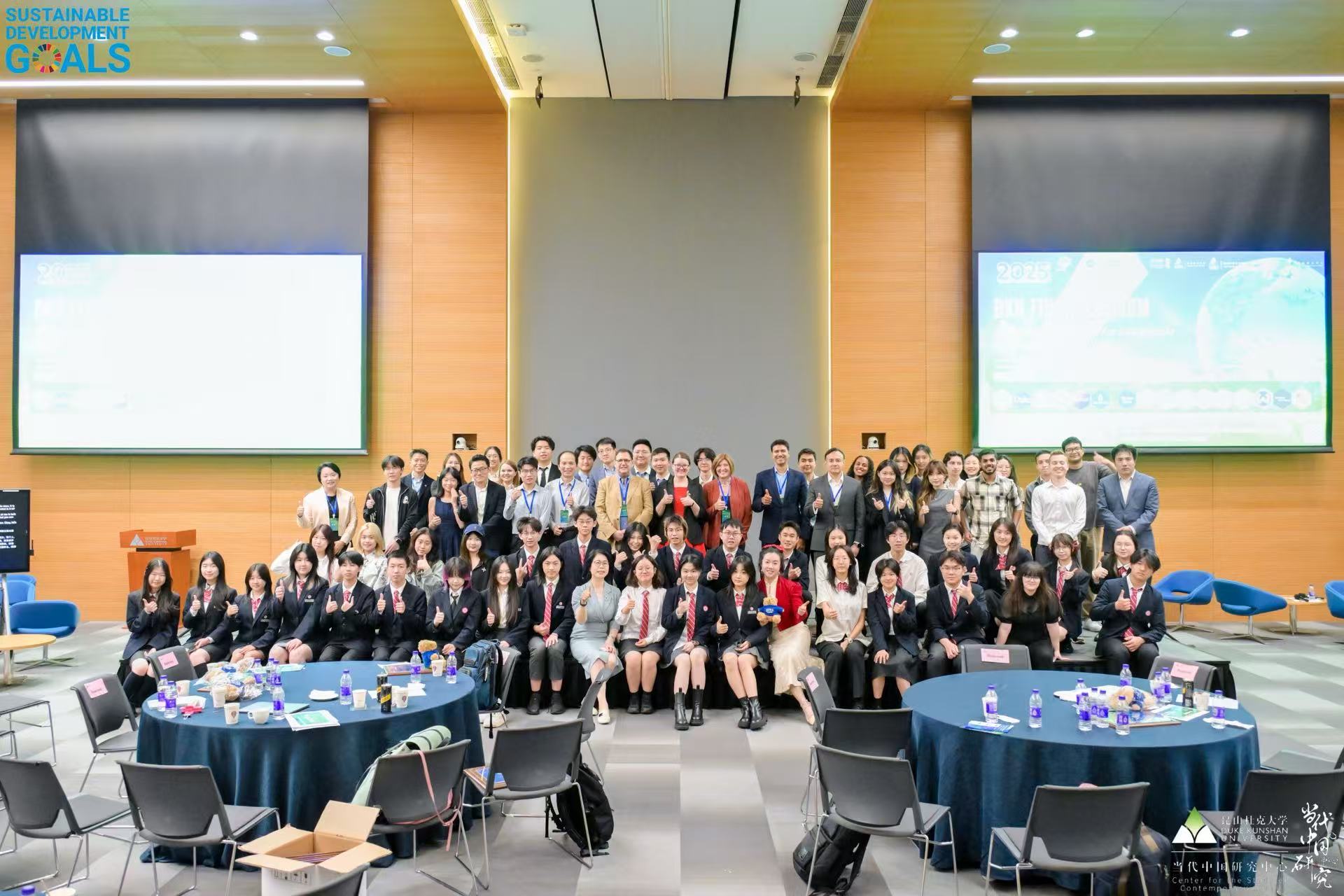
Ending
Looking back on the experience of founding two student organizations, Allen believes the most valuable thing was not the two extra lines on his resume, but the transformation in his thinking — from fearing conflict to proactively communicating, from assigning tasks to understanding motivation, from trying to grasp everything to learning how to prioritize.
Many people think what he built were student clubs. But what he truly built was a way to make things happen.
If you are also a DKU student, whether you are currently a freshman or sophomore, his advice is simple: the earlier you start, the better. Start by joining a club. Observe, experiment, communicate. And if one day you notice an empty space that needs to be filled, do not overthink it — just start first.
Leadership+ Series
This workshop was part of the Leadership+ Series hosted by DKU Leadership Programs.
The series explores leadership through cross-disciplinary conversations and experiences. We believe leadership does not exist in isolation—it emerges across fields, ideas, and communities. Through workshops, dialogues, and immersive activities, the series invites students to broaden their perspectives and develop the mindset and skills needed to lead in a complex world.