
Workshop Snapshot
DKU Leadership Programs hosted a Futures Thinking Workshop facilitated by futurist Lynn Lin, co-founder of Futurist Circle and Future Matters Consulting on March 4th.
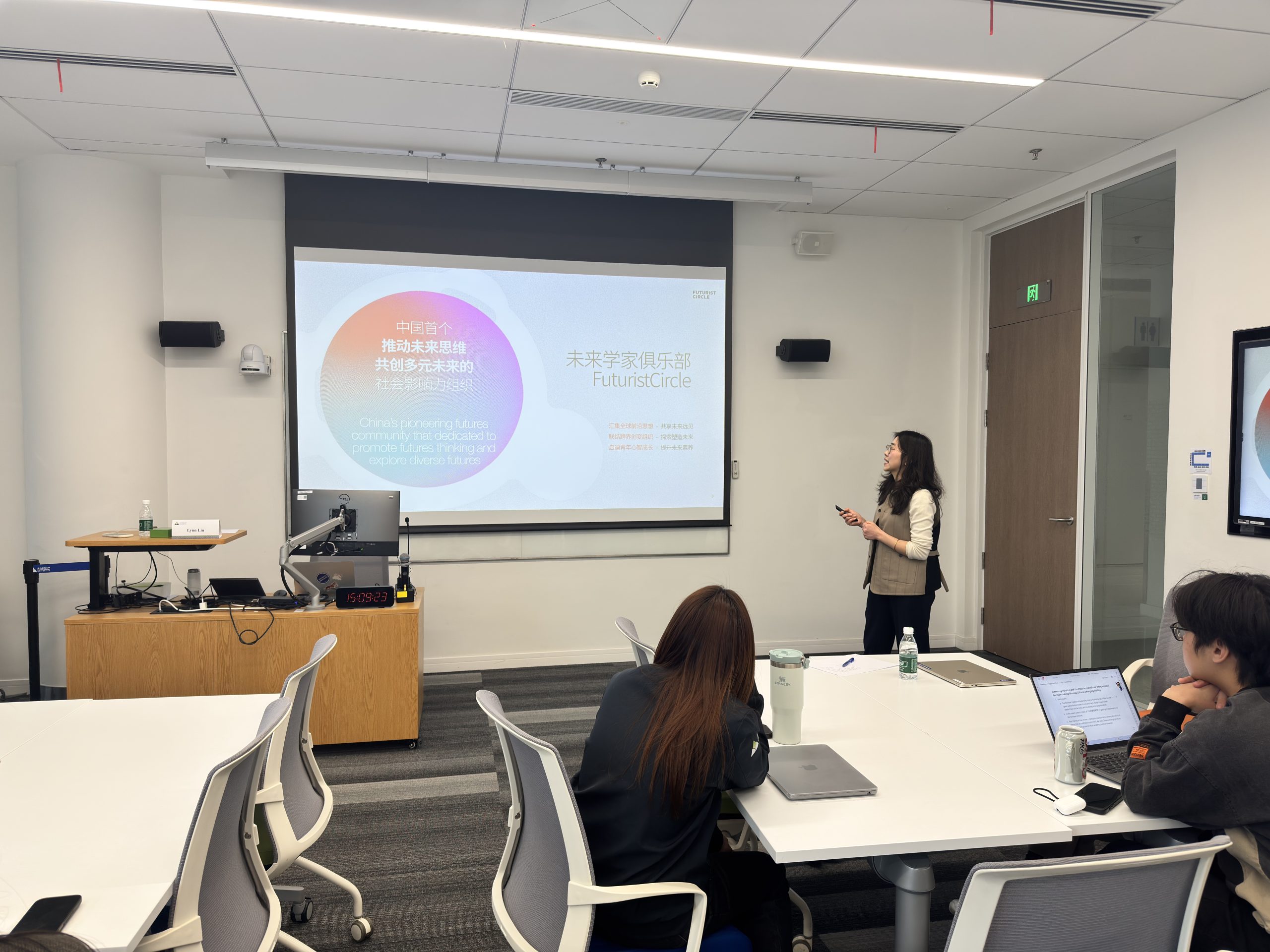
Futures thinking is not about predicting the future, but about exploring multiple possibilities and questioning our assumptions about tomorrow.
During the 90-minute session, Lynn introduced key concepts including futures literacy, exponential change, and long-term thinking. Students then explored these ideas through the foresight card game Dreams & Disruptions, drawing prompts such as drivers of change, leadership archetypes, and unexpected disruptions to construct possible future worlds.
As discussions unfolded, group conversations were transcribed and used by AI to generate visual interpretations of the imagined futures. At the same time, images were also generated based solely on the symbolic elements from the cards.
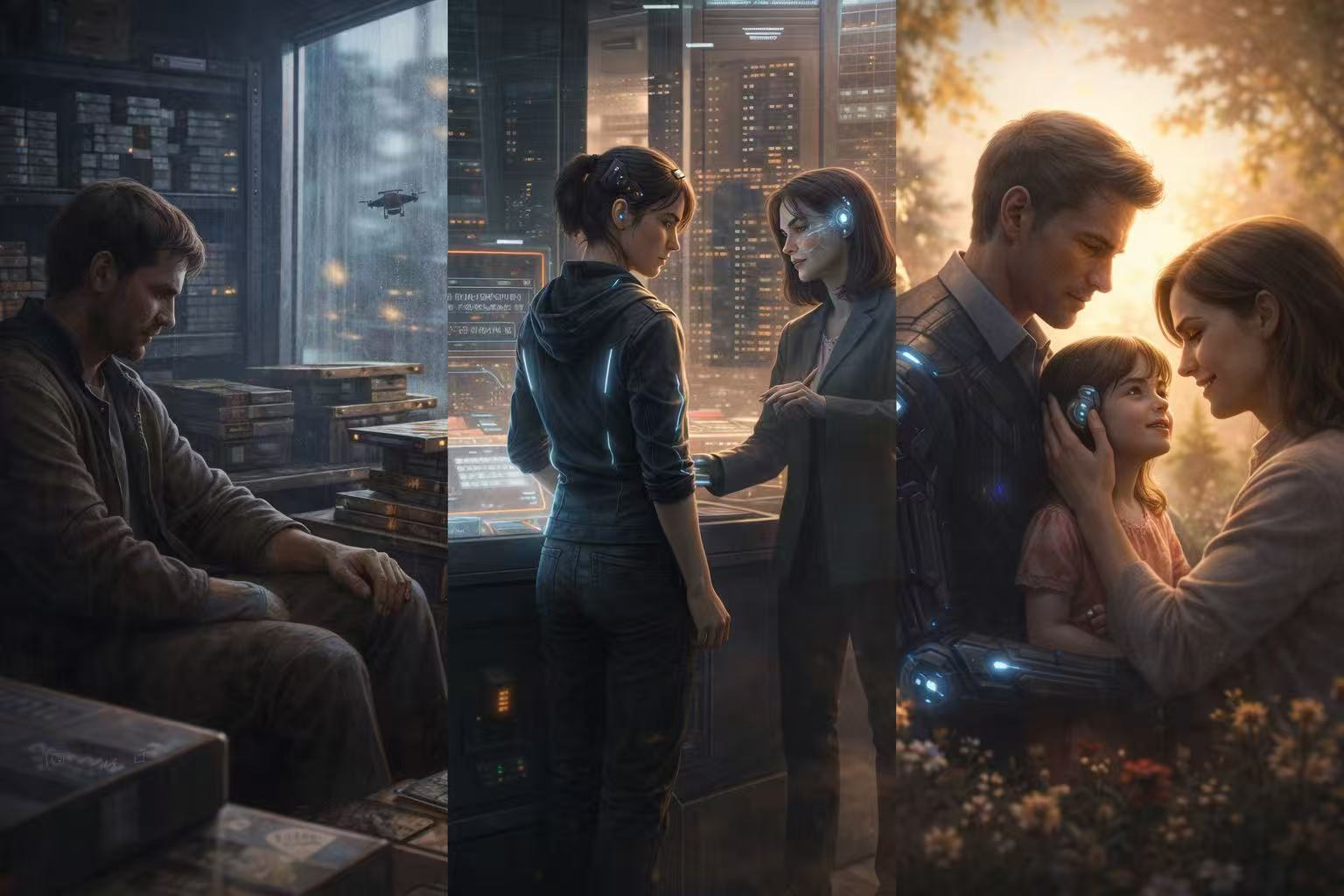
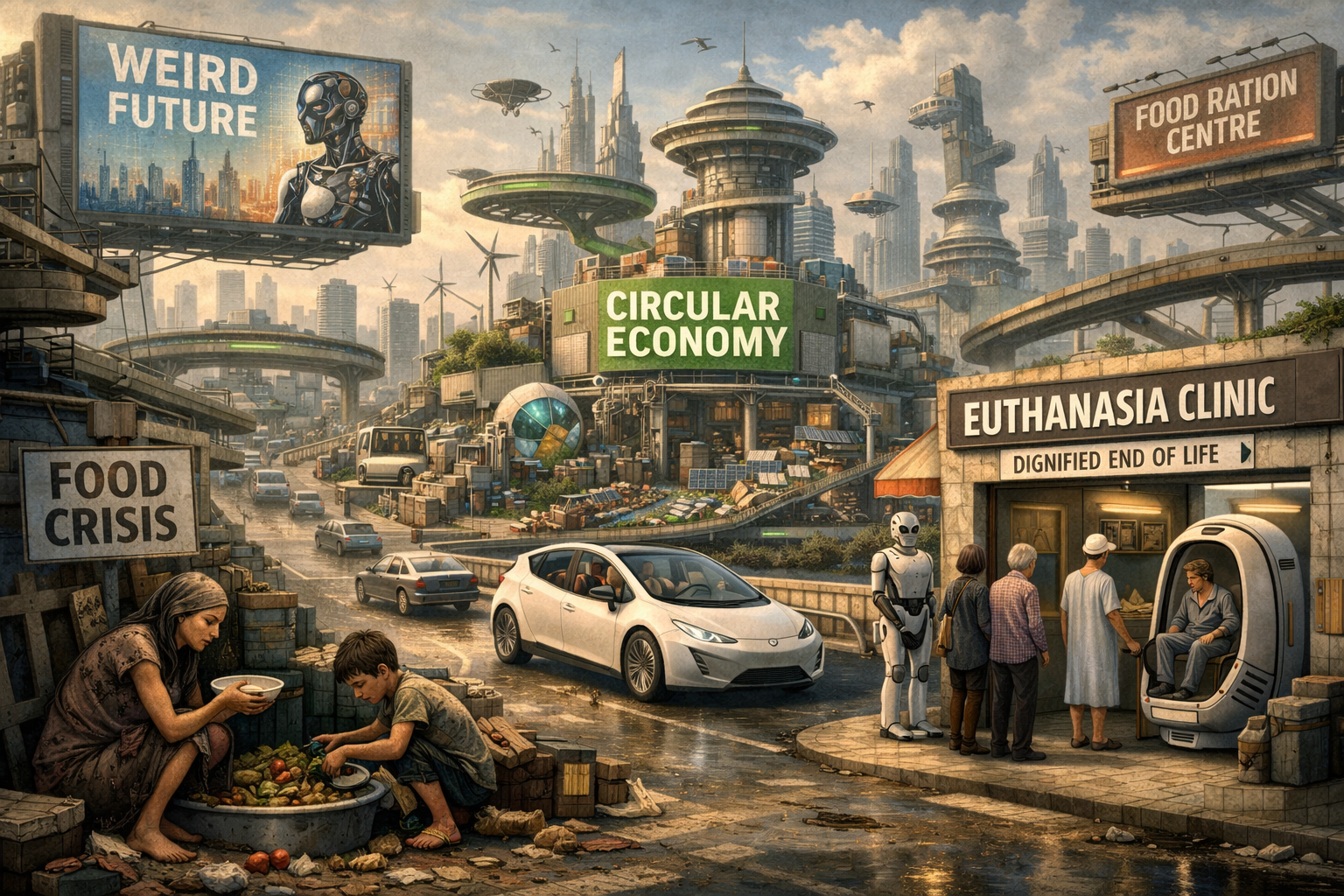
Comparing these two sets of AI-generated futures sparked lively discussion:
How differently do humans and AI imagine the future—and what assumptions shape our visions of tomorrow?
A Conversation with Lynn Lin
To explore these questions further, we spoke with Lynn after the workshop about why futures thinking matters for young people today.
Q1: Why do you think futures thinking is particularly important for young people today?
We are living in a time of profound uncertainty. Rapid technological change—especially the rise of AI—along with economic shifts, layoffs, and social transitions often make the future feel unstable or even discouraging for many young people.
Futures thinking is valuable because it helps cultivate a healthy relationship with the future: from uncertainty toward possibility. Instead of seeing only one predetermined path, it invites people to imagine multiple possible futures. From there, young people can begin to see their own agency: the future is not only predicted, but also shaped through today’s choices and actions.
Q2: What surprised you most when facilitating the workshop with DKU students?
What impressed me most was the openness and curiosity of the DKU students. They were very willing to explore different scenarios and engage with the future in a playful yet thoughtful way.
During the futures game, I could see them locating themselves within the worst or outlier scenarios and imagining how their choices might contribute to a preferred future. For me, this openness is very encouraging. It shows that when young people are given the space and tools to think about the future, they are eager to participate in shaping it rather than just observing it.
Q3: If students want to start developing “futures literacy,” what is one habit or mindset they should begin with to become more thoughtful leaders for the future?
A good starting point is to develop what I call a “future radar.” In everyday life, we are constantly exposed to signals of change—new technologies, cultural shifts, emerging lifestyles, and small experiments happening around the world. Instead of scrolling past them, pause and ask: What might this signal grow into? What could it connect with? What kind of future might it hint at? This habit of noticing and connecting signals helps us move from passive consumption to active sense-making. Over time, it strengthens our ability to see patterns, imagine alternatives, and think long term—essential capacities for anyone who hopes to become a thoughtful leader in an uncertain world.
At the same time, it is equally important to develop an inner future compass—an understanding of what kind of future truly matters to you. This inner clarity helps guide your choices amid information overload and constant change.
As I often say, futures thinking is not about having the right prediction. It is about cultivating the imagination and responsibility to shape better futures.
Student Voices
Bikalpha Panthi (Computation and Design/Social Policy, CO2027)
What moment during the game changed the way you think about the future?
One moment that stood out was a moral dilemma about euthanasia and the card that followed. It challenged our ethics and pushed us to examine the issue from both positive and negative perspectives. The game’s scenario of automation overtaking humanity also made me reflect more deeply on AI ethics and how the accelerating race to develop artificial intelligence could potentially backfire. It even led me to think about whether humanity might return to a “survival of the fittest” mentality if external forces were to dominate society.
Anastassia Titarova (Behavioral Science/Neuroscience, CO2027)
How did the card game format affect the way you discussed future possibilities?
The card game format made it easier to visualize the future scenarios we were discussing and kept the conversation engaging, almost like a board game. Because the cards introduced unexpected situations, our teammates often interpreted the same card in different ways, which naturally led to deeper discussion about possible futures. At the same time, since many of the scenarios were quite extreme—such as nuclear catastrophe or an AI revolution—the format allowed me to treat them more as imaginative possibilities rather than immediate realities, which helped me stay rational during the discussion.
Steven Wang (Behavioral Science/Psychology, CO2027)
Did this workshop change how you think about your own dreams or career?
The workshop did shift my thinking a little, although the time was quite short. After the session I continued the conversation with Lynn, and that discussion made me realize there might be career paths related to my major that I hadn’t considered before. It was interesting and definitely made me want to explore this field further.
Meet the Speakers
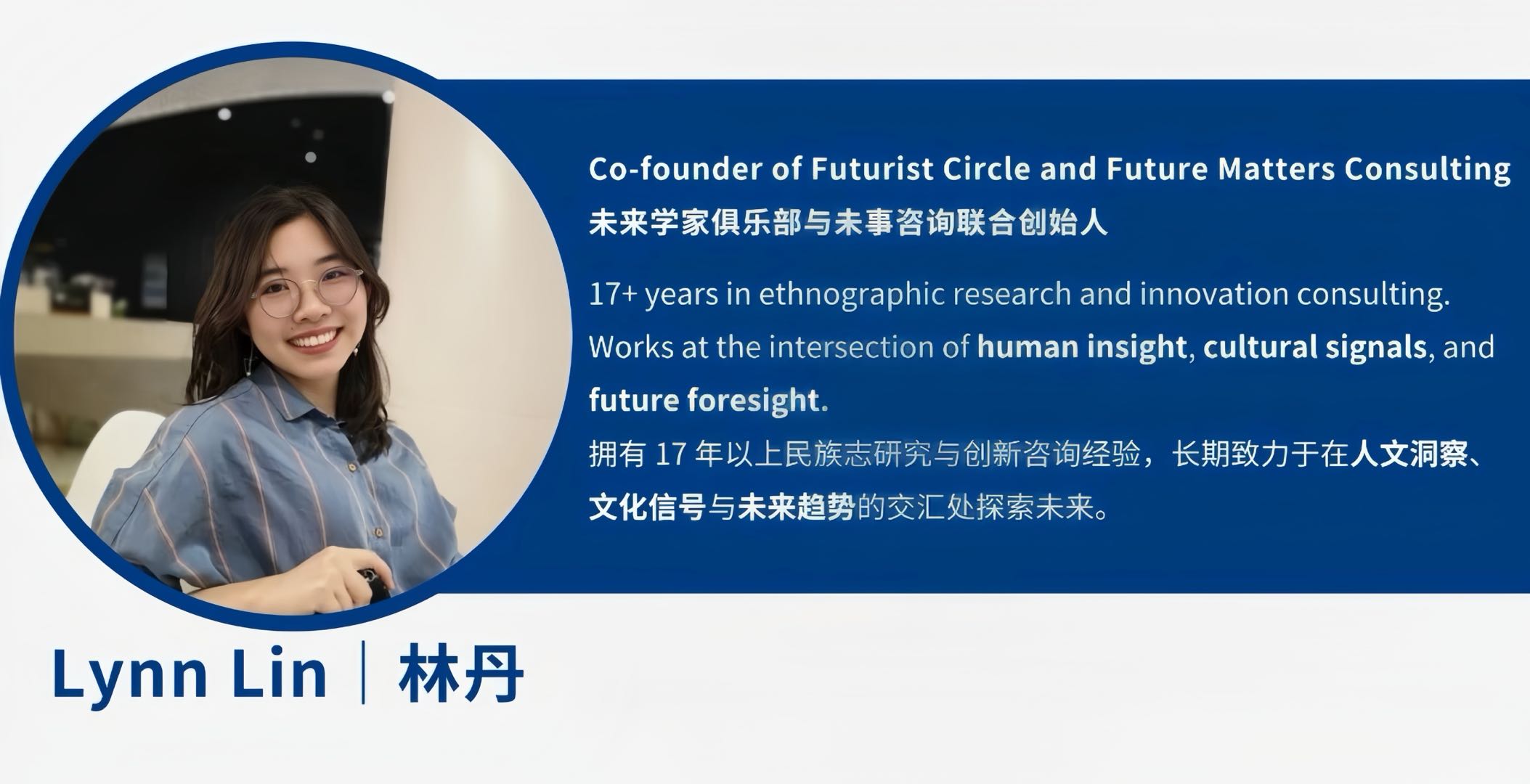
Lynn Lin
Co-founder of Futurist Circle and Future Matters Consulting with 17+ years in ethnographic research and innovation consulting. Works at the intersection of human insight, cultural signals, and future foresight.
Futurist Circle
China’s pioneering social impact organizations dedicated to advancing futures thinking, exploring long-term, human-centered futures through diverse perspectives. Through research, workshops, games, and global dialogue, it connects frontier ideas with local practice and empowers individuals and organizations to move from predicting the future to actively creating it.
Leadership+ Series
This workshop was part of the Leadership+ Series hosted by DKU Leadership Programs.
The series explores leadership through cross-disciplinary conversations and experiences. We believe leadership does not exist in isolation—it emerges across fields, ideas, and communities. Through workshops, dialogues, and immersive activities, the series invites students to broaden their perspectives and develop the mindset and skills needed to lead in a complex world.