
Would you prioritize helping more people, or those in the most urgent need?
Would you focus on long-term change, or immediate challenges?
When giving is no longer an abstract idea, but a real decision that requires careful thought—how would you choose?
Recently, about 20 students from Duke Kunshan University faced exactly this question at a Pop-up Giving Circle organized by the Shanghai United Foundation.
This time, they were not just participants—they were decision-makers.
Seeing the World First
Before making any decisions, students visited the Exhibition Hall of Shanghai Social Organizations.
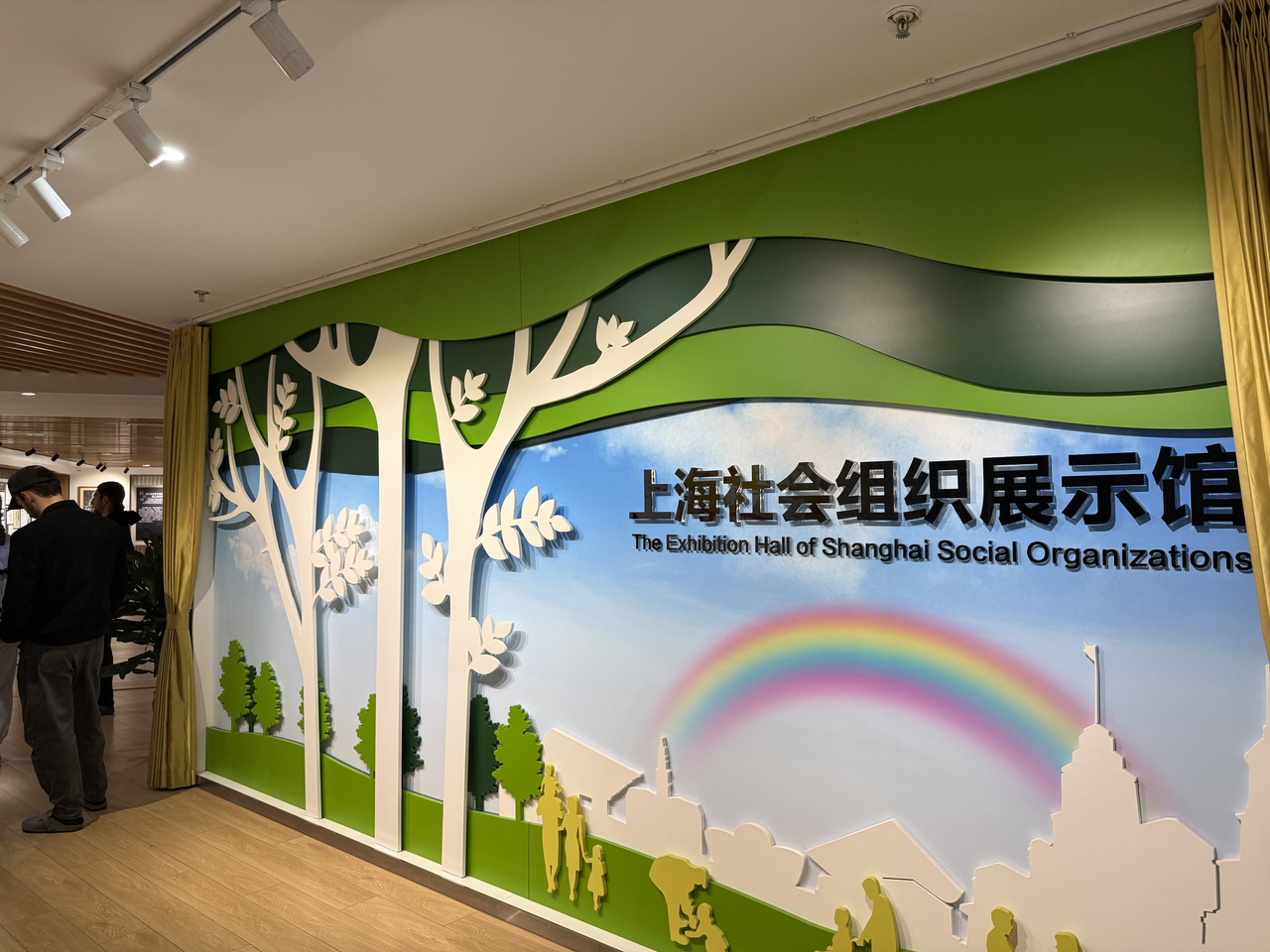
Philanthropy, they realized, is not something distant.
One project in particular, E.G.G. Walkathon, left a strong impression. Participants walk 50 kilometers within 12 hours, raising funds through their personal networks to provide eggs and nutritional support for children in under-resourced areas.
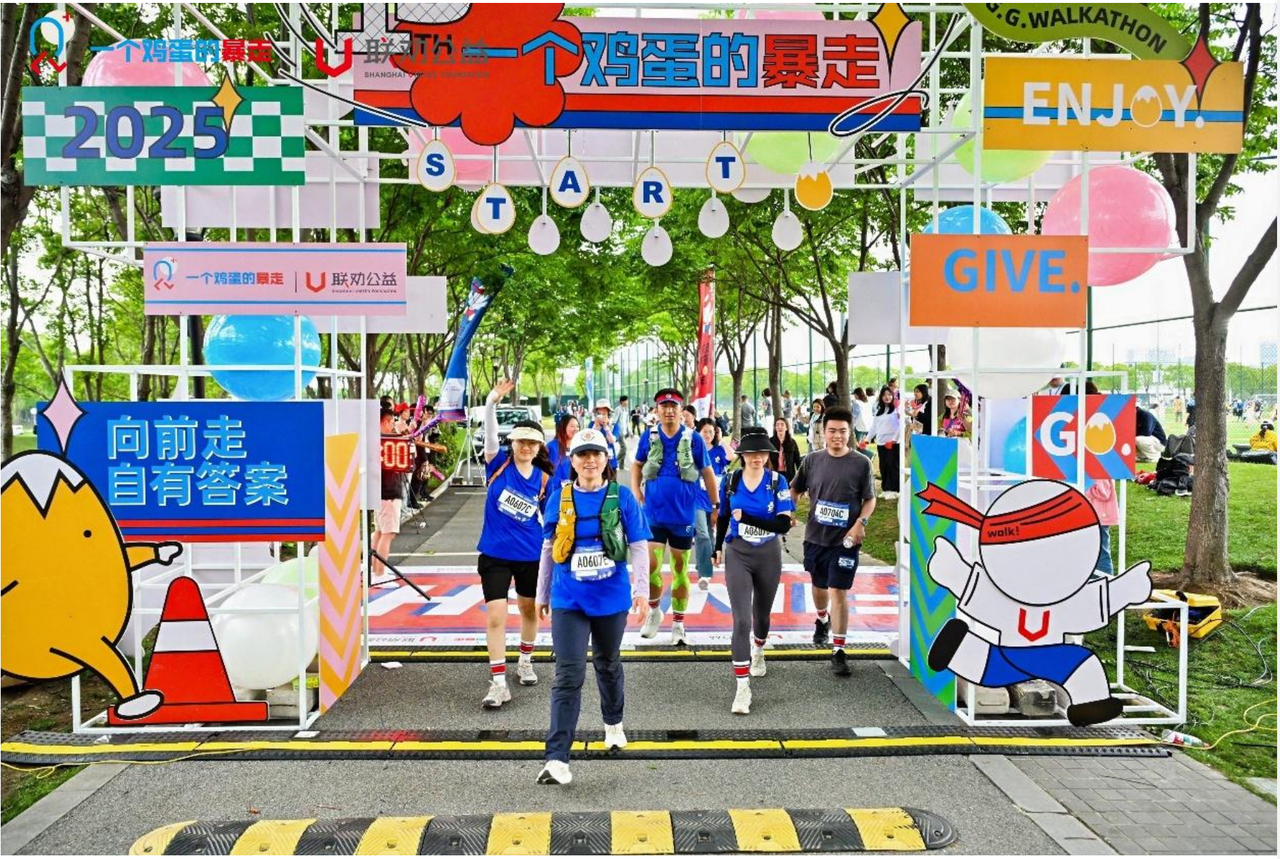
From steps, to eggs, to children — a simple chain connects individual effort to tangible impact.
From one person’s steps to collective action, small efforts accumulate and grow into measurable social change.
Lina Maria Sanchez Rueda:
“This experience helped me understand how these programs are developed, who they serve, and how we can support them. It made me realize that even small actions—like providing a meal—can make a real difference. I wish more people could see the same thing I did during this activity.”
Change, it turns out, can begin with something small and concrete.
Learning the Rules of Giving
However, wanting to help is not the same as knowing how to help. Through the session, the Shanghai United Foundation introduced how philanthropic projects are selected, evaluated, and implemented in collaboration with partners. Philanthropy is not only driven by emotion—it is also a structured decision-making process.
From nutrition programs like E.G.G. Walkathon to initiatives supporting migrant children, each project is built on clear logic, careful evaluation, and long-term commitment.
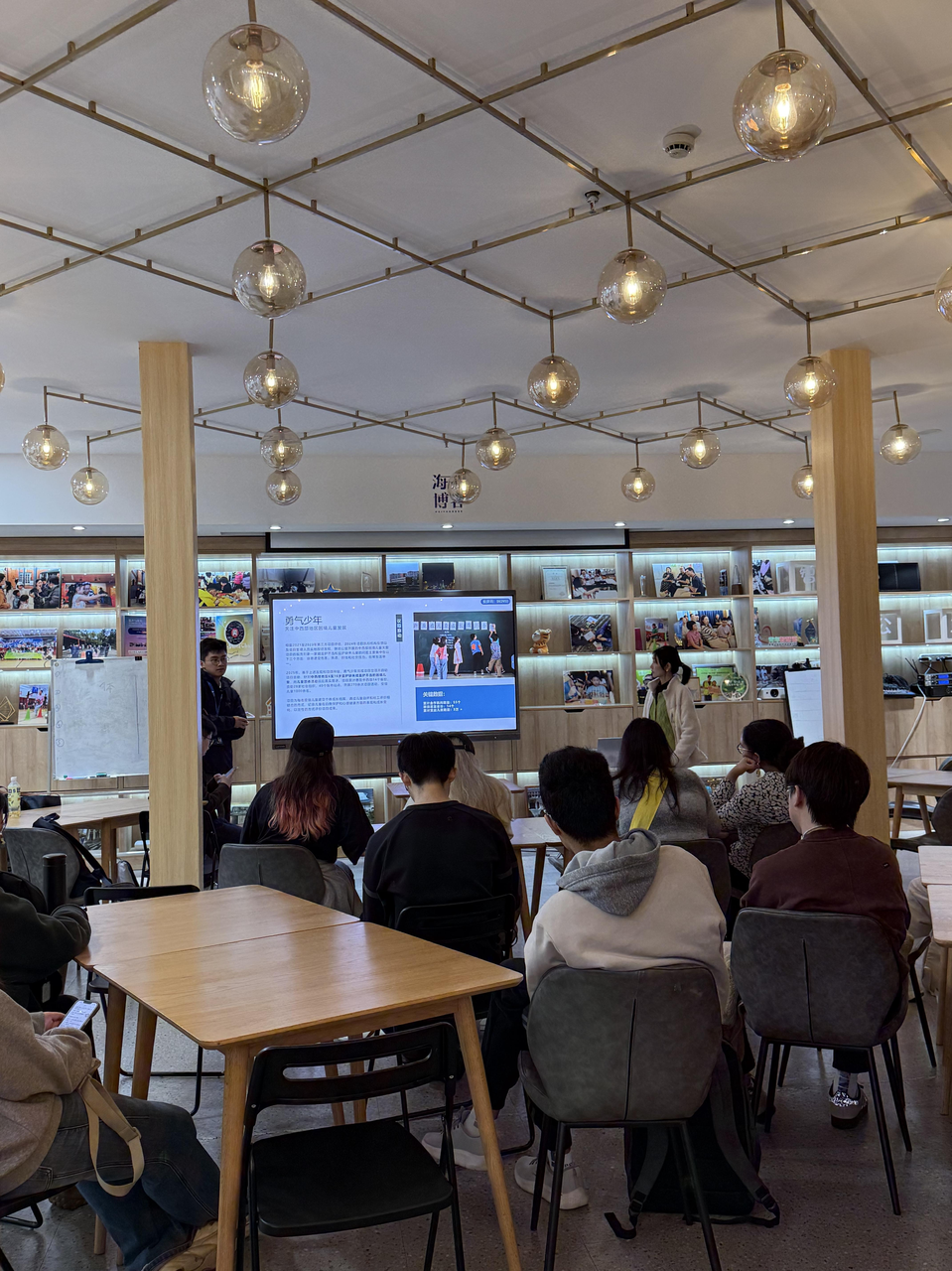
Students began to realize that making a “good” giving decision requires not only empathy, but also judgment and responsibility.
Making the Choice
The real challenge began here.
Earning the “Funds”
Before making decisions, students had to “earn” their initial funds.
Through quiz-based activities related to philanthropy, each group competed to win symbolic coins.
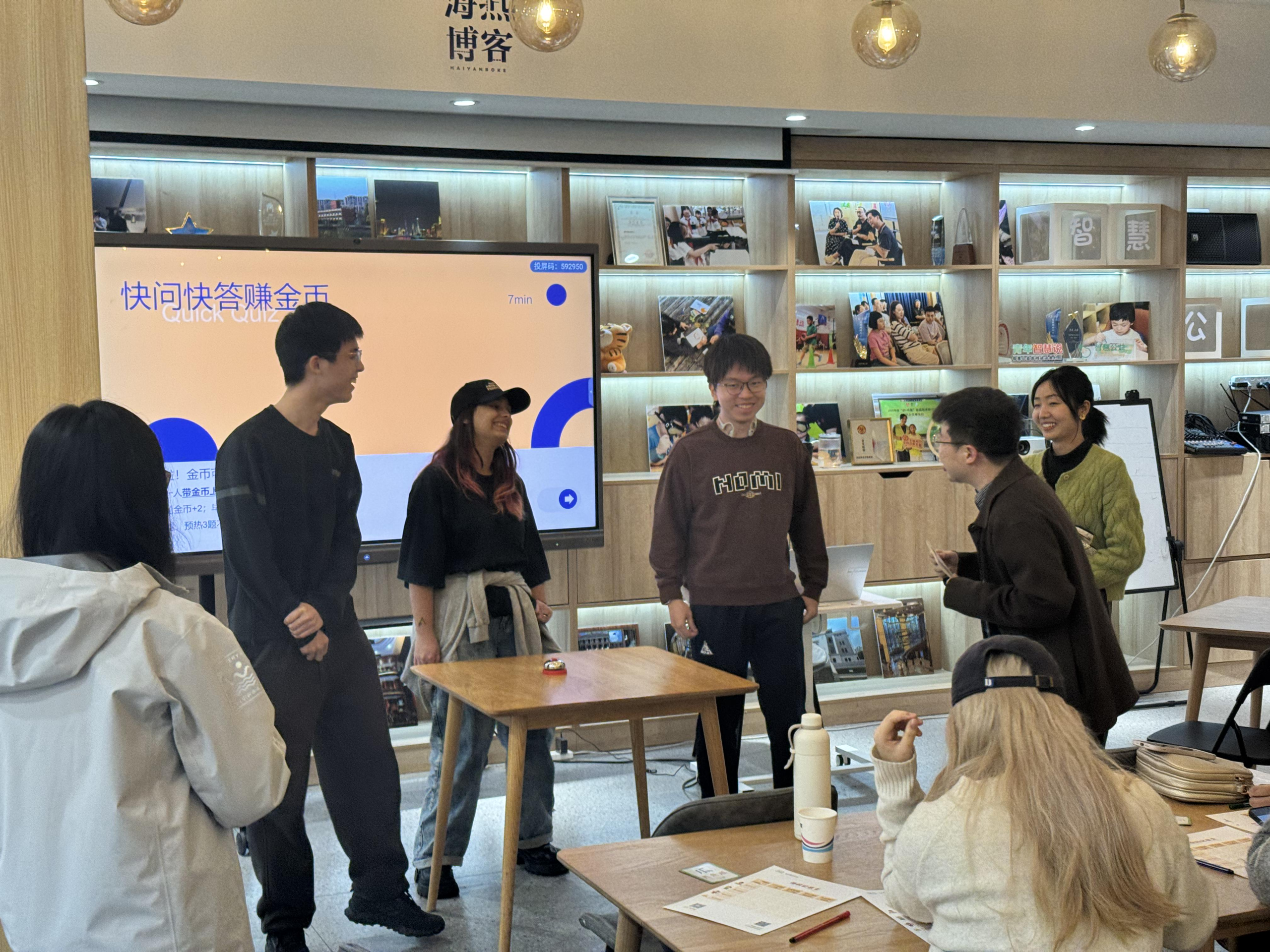
Every student had a chance to participate.
The relaxed atmosphere encouraged engagement,
while preparing them for more serious discussions ahead.
Four Projects, Four Perspectives
Students were then presented with four real-world projects:
- A nutrition program for children
- A pen pal initiative connecting rural children
- A poetry program encouraging creative expression
- A sex education program addressing sensitive but critical issues
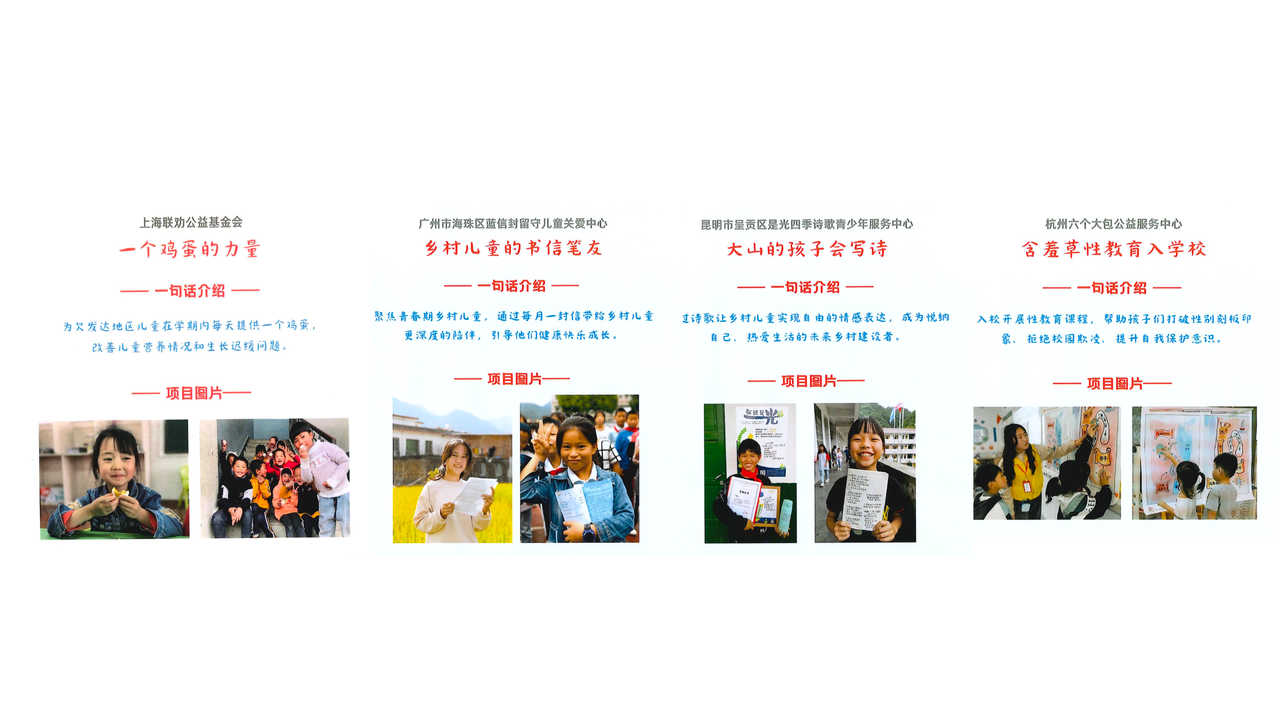
Each project represented a different social need—and a different value perspective.
Discussion: No Single Right Answer
As group discussions began, leadership started to emerge.
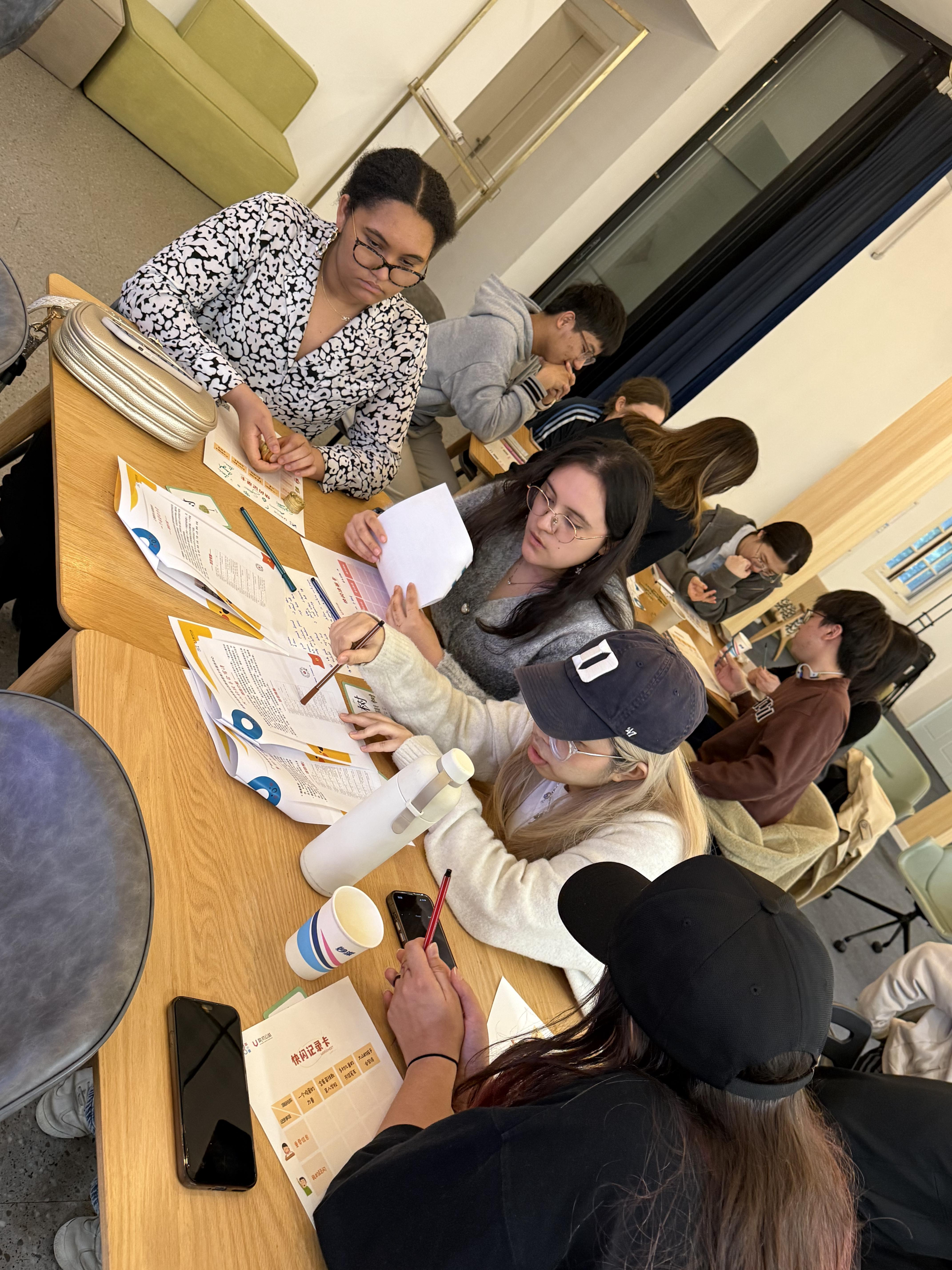
Different groups adopted different approaches:
Some prioritized scale—helping as many people as possible.
Others focused on urgency—supporting those in immediate need.
Some emphasized long-term impact—creating sustainable change.
Through discussion, ideas evolved. Some students held their ground, while others reconsidered.
Some led the conversation, while others asked questions that deepened the group’s thinking.
Leadership was no longer about speaking the most,
but about listening, integrating perspectives, and guiding the group toward consensus.
Lina Maria Sanchez Rueda:
“At first, I didn’t prioritize the sex education program. But after hearing my teammates’ perspectives and understanding the funding gaps, I realized how important—and limited—these programs are in many parts of Asia.”
Zihan Chang:
“The most important factor for us was long-term impact. We wanted to support real, lasting change rather than short-term solutions.”
Speaking for Their Choices
Each group then presented their decisions and explained their reasoning.
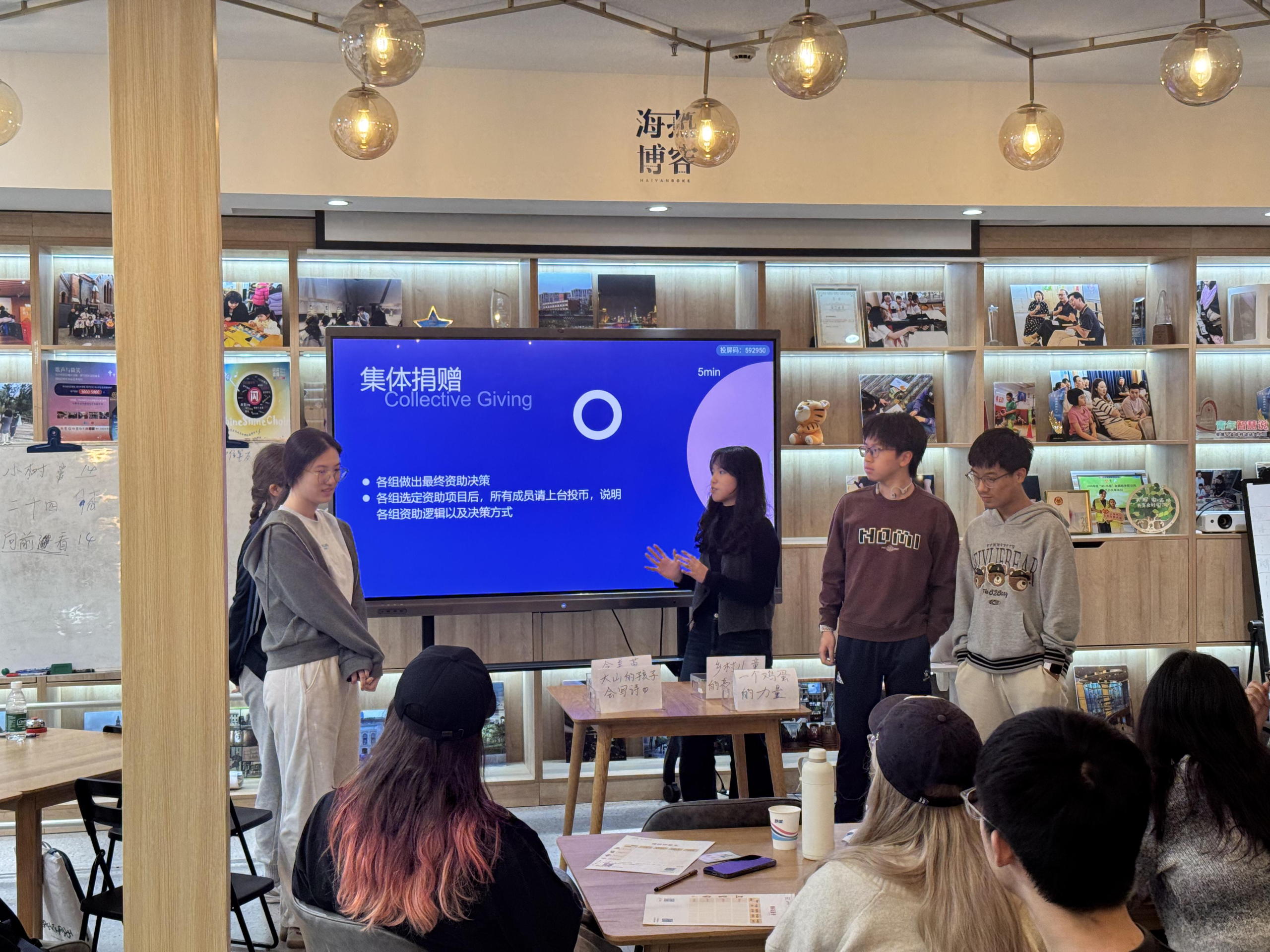
This was not just about speaking—it was about taking responsibility.
They had to explain not only what they chose, but why.
In that moment, students became advocates for their decisions.
Zidi Gao:
“If this were real money, I would think more carefully about how to distribute it, because I would also consider how donors feel about the decision.”
When the Question Comes Back to Us
If we ask again—if you had a sum of money to donate, who would you give it to?—the answers from these students are no longer driven by instinct alone. Giving is not simply an act of kindness; it is a matter of judgment, responsibility, and a way of understanding the world.
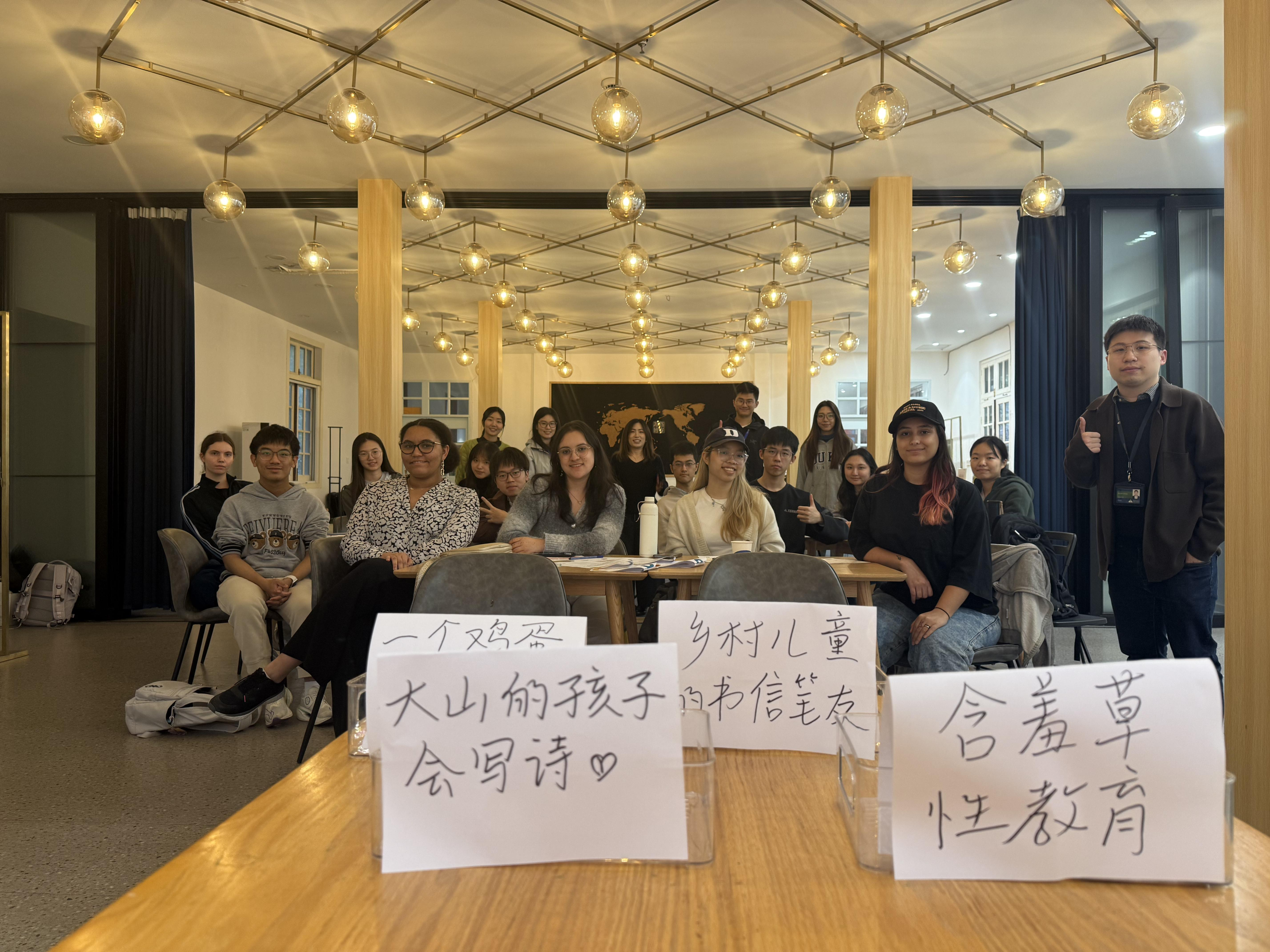
In this seemingly “pop-up” experience, students not only walked through the full process of philanthropic decision-making, but also engaged in an authentic practice of leadership. From participation to decision-making, from expressing perspectives to taking ownership of their choices, they learned far more than how to distribute funds. Through ongoing deliberation and dialogue, they built empathy-informed judgment, enhanced their capacity to navigate complexity, and developed a growing sense of responsibility for public and social issues.
Shanghai United Foundation
The Shanghai United Foundation, established in 2009, is the first public fundraising foundation in Shanghai initiated by the private sector. As a top-rated 5A social organization in China, the Foundation mobilizes public compassion and corporate resources to carry out professional grantmaking. It supports vulnerable groups such as children and the elderly, promotes community development, and fosters the growth of the nonprofit sector.
The Foundation has partnered with over 200 companies on corporate social responsibility initiatives and collaborated with more than 1,600 social organizations nationwide, benefiting tens of millions of people each year.